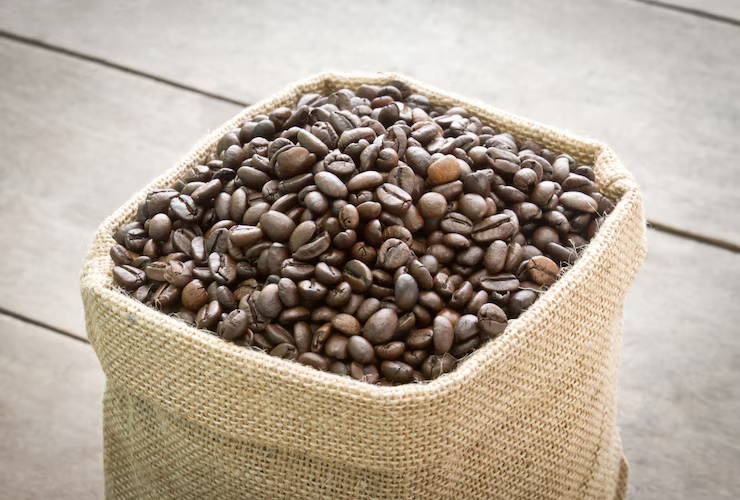

At Durango Joes, every cup of coffee has a story that stretches across the globe. It all starts in the Coffee Belt, the region surrounding the equator where countries like Ethiopia, Peru, Honduras, and Brazil grow some of the world’s finest coffee. Warm days, cool nights, and nutrient-rich soil make these areas ideal for coffee cultivation. High altitudes slow down the growth of the coffee cherry, allowing the beans inside to develop deeper complexity and richer flavors. This is where the journey begins—long before it reaches your cup.
Supporting Farmers Through Fair Trade
We partner with a trusted coffee supplier based in Seattle who sources many of our beans from Fair Trade Certified farms. Fair Trade ensures that farmers and workers are paid fairly and work in safe, ethical conditions. Beyond fair wages, it supports projects like clean water access, educational resources, healthcare clinics, and climate-smart farming initiatives. We believe that a great cup of coffee should also do good for the people who grow it, and Fair Trade helps make that possible.
Personal Relationships with Coffee Growers
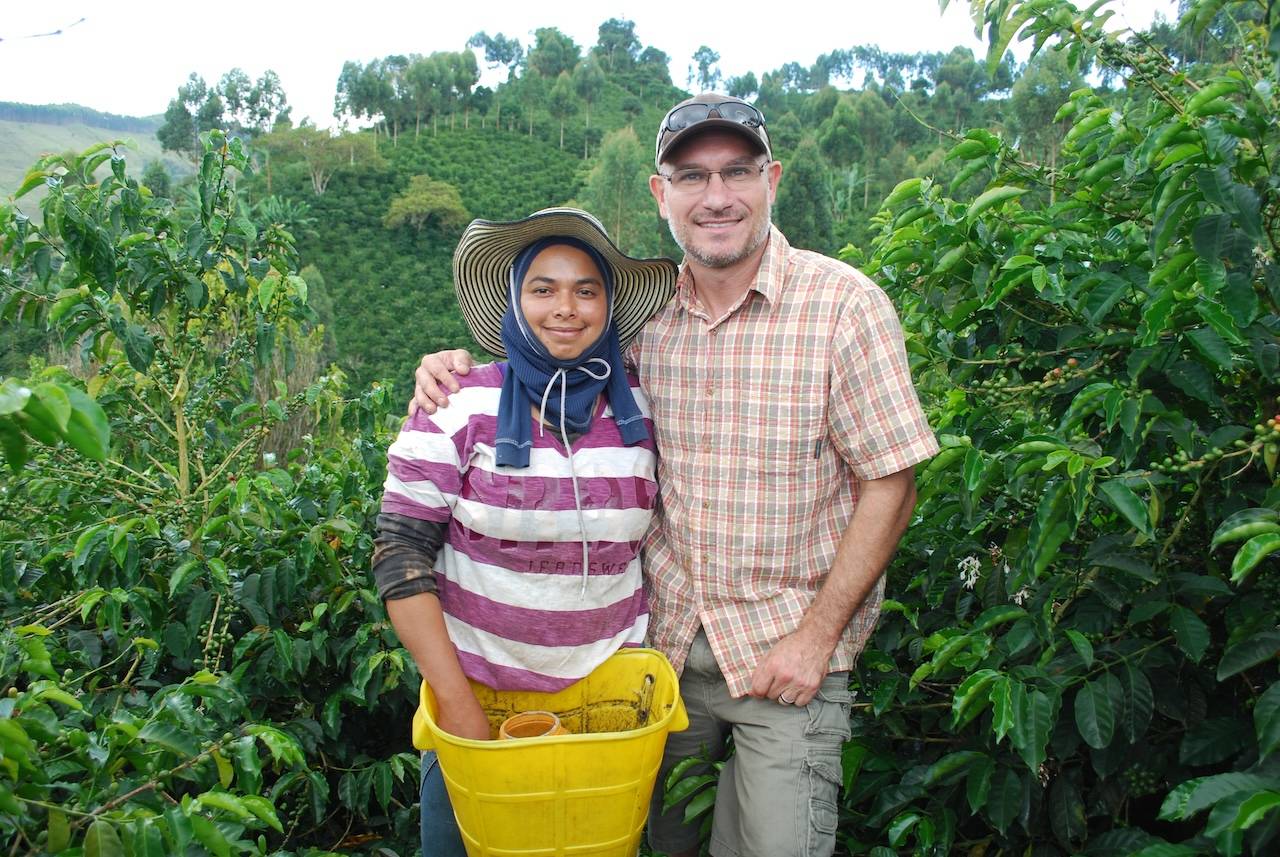
Our owner, Joe, has personally traveled to coffee farms across the globe to meet with growers, walk the land, and learn firsthand about the care that goes into cultivating quality coffee. These face-to-face relationships build trust and transparency, allowing us to work directly with farms that share our values. Joe’s travels have not only helped us source better coffee but have shaped the spirit of Durango Joes itself—one that values connection, integrity, and doing what’s right even when no one is looking.
From Tree to Harvest
Coffee begins its life as a fruit. After being planted, a coffee tree takes around 3 to 5 years to mature and begin producing cherries. Each cherry contains two green coffee beans, and it takes a lot of them to brew your favorite espresso. Harvesting season only comes once or twice a year depending on the region, and timing is everything. Many of the farms we source from rely on experienced pickers who hand-select only the ripest cherries, which preserves the quality and consistency in every batch.
Processing the Coffee Cherries
Once harvested, the cherries are processed to remove the outer fruit and reveal the bean inside. The method used can dramatically impact the flavor of the coffee:
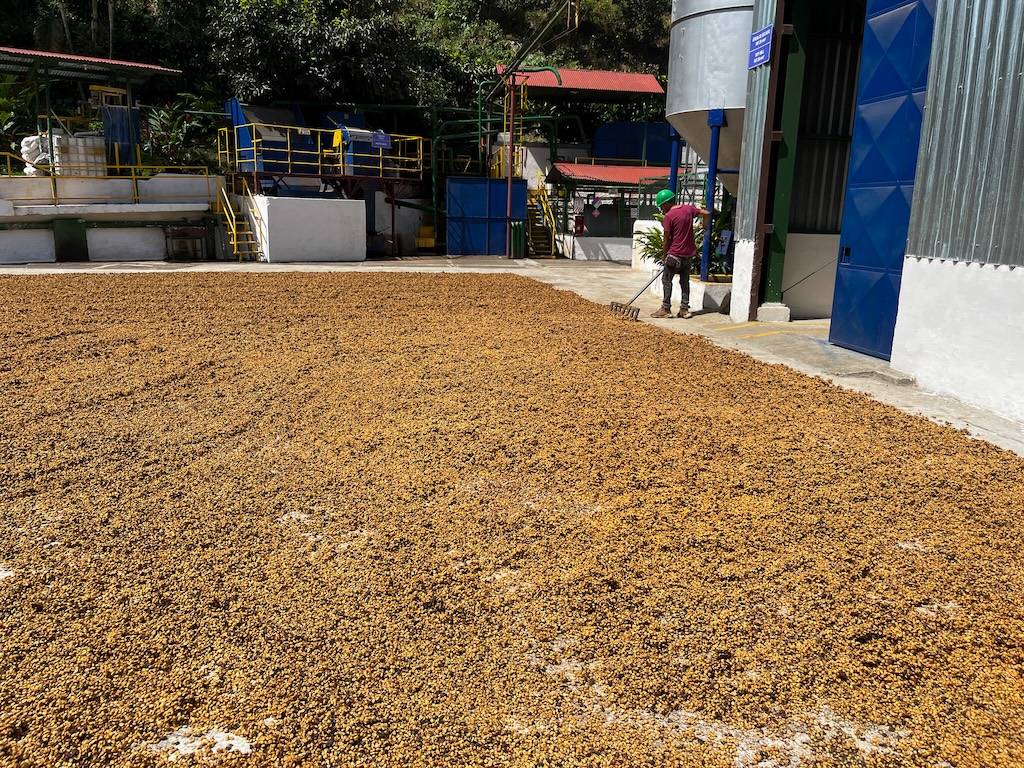
The dry process involves laying cherries out in the sun to dry over several weeks. This older method imparts fruit-forward and wine-like flavors, especially when the cherries are turned regularly for even drying.
The wet process uses water channels and fermentation to remove the skin and pulp before drying. This produces a cleaner, more acidic cup with bright and crisp flavor notes.
The honey process is a middle ground. The outer skin is removed, but some sticky mucilage is left on the bean as it dries. This leads to sweet, smooth, and complex flavors that balance clarity with body.
Each method influences the final flavor, and we work closely with our Seattle-based supplier to choose coffees that showcase the unique characteristics of each origin.
How Region and Roast Shape the Flavor
Where coffee is grown makes a big difference in how it tastes. Beans from Ethiopia often feature floral and citrusy notes, with a tea-like body. Bean from Peru are smooth and delicate with hints of cocoa and gentle acidity, making them a great base for blends or as single origins. Honduran coffees tend to offer nutty sweetness, mild chocolate, and creamy textures. Factors like soil type, rainfall, altitude, and local farming practices all play a role in how the bean develops.
Roasting is where the bean's journey meets our signature flavor approach. Light roasts preserve origin characteristics and bring out bright acidity and fruit-forward notes. Medium roasts develop a rounder body with balanced sweetness and complexity. Dark roasts deepen the flavor, adding richness, smokiness, and bold strength. We work closely with our Seattle partner to craft roast profiles that elevate each coffee’s potential while keeping quality and consistency at the core. Every roast is tested and adjusted to make sure it performs well whether it’s in a latte, drip coffee, or straight-up espresso.
Shipping and Brewing
Once the beans are roasted, they are packaged to seal in freshness and shipped to our warehouse. Every step of the process is designed to protect the integrity of the coffee—from oxygen barriers in packaging to timely delivery to our locations. When the beans arrive at Durango Joes, our baristas grind and brew them fresh every day. We calibrate our espresso machines, monitor water quality, and taste-test brews to ensure that every drink we serve is the best possible expression of the bean.
Whether you’re sipping a bold Americano, a frothy cappuccino, or a chilled blended drink, your coffee has been shaped by farmers, roasters, and baristas who all care deeply about what they do.
So next time you visit Durango Joes, know that your coffee is more than just a morning ritual. It’s a global story of hard work, respect, and purpose—poured into every cup.